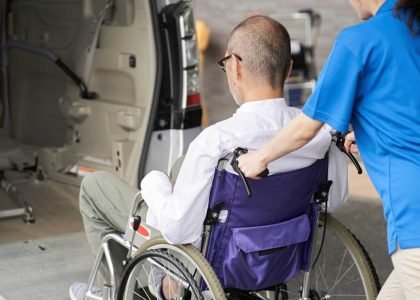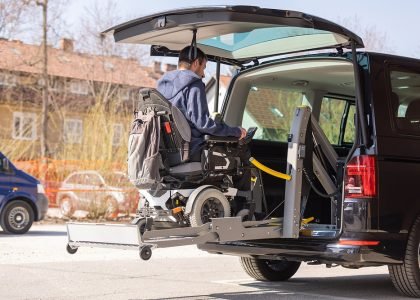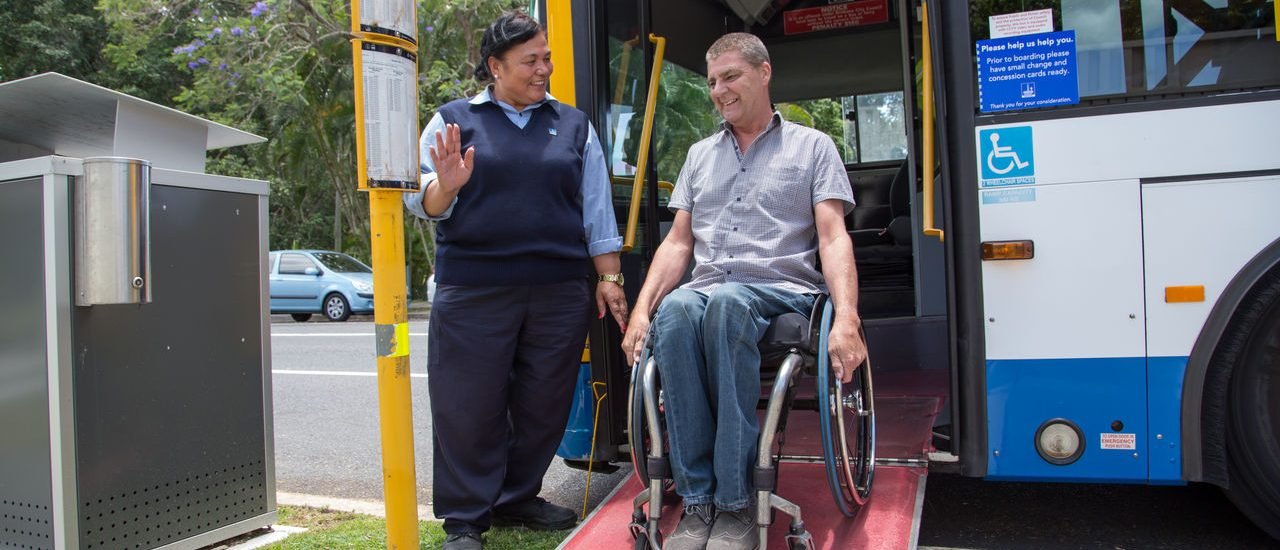
Transport does not only involve movement between point A and point B, but it is also about being independent, living a dignified life and being part of the community. Transport availability is crucial to people with disabilities to attend their medical check-ups, education, work and social functions. NDIS transport issues in Queensland, and particularly in Brisbane, are becoming an increasingly critical problem. The demand for affordable and accessible options is a growing concern for families, service providers, and participants.
This post delves deeper into why NDIS transport in Brisbane is not working, the context of wider transport challenges faced by people with disabilities in Queensland, and how practical changes can help address the problem to restore trust in the system.
The State of NDIS Transport in Brisbane
Although the NDIS has boosted the accessibility of care and support services, another problem area has been transport. You will find a fragmented system, inaccessible waiting times, and a shortage of qualified drivers in Brisbane.
Some of the main issues/questions are as follows:
- The cost of transport: NDIS plans often have high transport budgets that cannot fully support real-life requirements. Many participants exceed their transport budget by the middle of the year.
- Lack of staff: The number of support workers with the proper training to drive modified cars is in short supply, especially in further suburbs.
- Unreliable services: Missed and delayed pick-ups often lead to participants being late to appointments, resulting in additional stress.
- Geographical unfairness: Geographical locations beyond the Brisbane CBD, such as Logan, Ipswich, and Redland, have limited access to transport options.
If participants rely on community participation and everyday appointments, such gaps become a barrier that undermines their quality of life.
What is Clear About Transport as an NDIS Challenge?
The NDIS was intended to offer participants choice and control, although in practice, one of the areas with the least choice or control so far on offer has been transport. The deterioration of NDIS transport issues in Brisbane is attributed to several structural problems.
- Transport funding constraints: The NDIS transport expenditure cap is not based on travel needs, but instead on circumstances. This is often insufficient for individuals who attend sessions or work on a day-to-day basis.
- Demand outstrips supply: As the Brisbane population and NDIS enrolment increase, there is a potential for transport resources to become undersupplied.
- Complex eligibility: The eligibility criterion is already causing problems for families, and many participants are struggling to understand what is or is not covered by the NDIS in terms of transport, resulting in underutilisation of their entitlements.
- Dependence on mainstream services: Participants often have to rely on taxi cabs, ride-sharing services, or buses. The majority of these options are impractical and unreliable, or unsafe.
- Impacts of COVID-19: COVID-19 derailed many smaller disability transport firms, and some have not resumed operation. This created loopholes in Brisbane’s transport system.
The result is a system that feels unpredictable and out of reach, leaving many parties involved in a state of dependence on family members or lacking proper community integration.
Lessons from Other States
Brisbane does not stand alone; the NDIS transport battles can be found all across the country. Nevertheless, there are examples of successful local efforts that are being piloted in some states that can be locally replicated:
- Community-based initiatives utilising modified vehicles have enhanced access in remote areas.
- New South Wales: The affiliations with rideshare companies have provided participants with more flexible accommodation options at a lower rate.
- South Australia: Subsidised driver training of support workers has widened the supply of qualified transport provision.
With these lessons, Queensland will be able to form a more solid and inclusive system.
The Future Plan
The transport crisis within which participants in the NDIS in Brisbane have to operate cannot be resolved within a short period of time. Nonetheless, ignoring the problem will only further the inequalities. This is not simply a problem of funding: it is an issue of human rights. Without reliable transport, the NDIS has short-changed people.
Policymakers, providers, and the community need to collaborate to:
- Understand the importance of transport as part of disability support.
- Invest in long-run sustainable solutions.
- Ensure priority on participant choice, safety and dignity.
By addressing structural issues and promoting creative solutions, Brisbane has an opportunity to become a leader in the redesign of disability transport in Queensland.
Conclusion
Transport is the link between services and the independence of people with disabilities. But as of today, that bridge is failing in many parts of Brisbane. Victims end up stranded (literally and figuratively) due to limited budgets, inability to hire drivers and other issues related to the inaccessibility of services.
The NDIS transport crisis in Brisbane is not only about moving from one place to another. It is about equality, decency and equity. Red tape, provider networks, and more intelligent partnerships can effectively provide more flexibility in transportation, allowing Brisbane to construct a system that values its most vulnerable citizens.
Not only can a more inclusive approach to disability transport in QLD be realised, but it is vital. In its absence, thousands of people will be left behind.