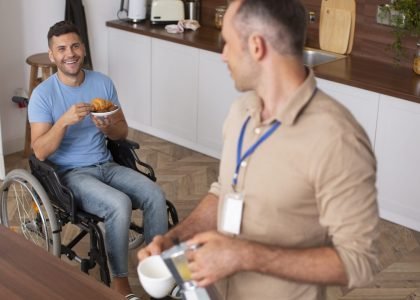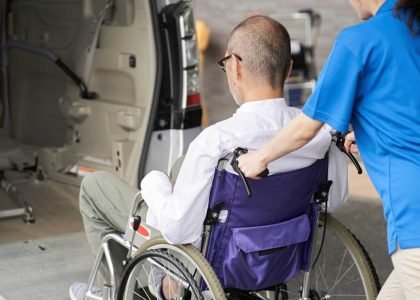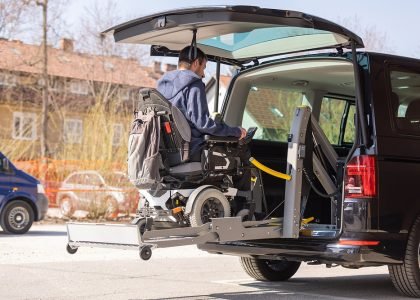
For those with disabilities living in Queensland, a significant step in recovery and independence is patients being transferred from the hospital to the comforts of their home. Whether it’s recovering from surgery, living with a chronic condition or culminating with a new disability, the transition requires thorough planning and sound support systems. In Queensland, programs such as the National Disability Insurance Scheme (NDS), Hospital in the Home (HITH) and the Transition Care Programme (TCP) make sure that hospital-to-home care QLD is seamless, safe and empowering. In this blog post, the essentials of this transition with post-discharge disability support and practical steps, program insights and tips to ensure as smooth a process as possible for this transition.
Hospital To Home Care QLD: The Importance Of
Leaving the hospital can be an inspiring time, but also a daunting one. For those with disability, hospital-to-home care QLD provides ensures that the medical and personal needs are met without being confined to long days of stay in the hospital. As such, according to Queensland Health, moving to home care offers less risk, such as hospital-acquired infection, which can be a contributing factor to mental well-being in being able to recover in an environment that they are familiar with. Post-discharge disability support is essential to prevent complications, readmission and help with independence.
This transition is significant for those with disabilities since they are regaining control of their day-to-day lives. Whether the disability is physical, neurological, or sensory, PDer post-discharge disability support in QLD provides tailored solutions, such as in-home Nursing, allied health care, or assistive technology. These services not only help in the recovery process, but they also help empower people to have the dignity and confidence to live. Hospital-to-home care QLD also decreases the pressure on the healthcare system by freeing up beds to treat those who need them for acute care, so home-to-hospital care is a win-win situation for patients and providers.
Crucial Programs to Facilitate the Transition (Queensland)
Queensland has several programs across Queensland to support hospital-to-home care, QLD to support people in the post-discharge phase by addressing specific needs.
Hospital in the Home (HITH) run by Queensland Health, is where a hospital level of care is given at the patient’s residence. Eligible public patients treated with systems including IV therapy, wound care or rehabilitation, which is especially helpful to public patients who are injured and patients with disabilities. For example, HITH can liaise with NDIS plans to facilitate continuity of disability supports upon discharge. Specialised models such as Geriatric Evaluation and Management in the Home (GEMITH) are explicitly designed for the type of patient and the older adult with disabilities and provide 10 days of intensive care, ideally after they are discharged from the hospital. HITH minimises your travel and exposure to the hospital environment for better safety and comfort.
National Disability Insurance Scheme (NDS). The NDIS is one of the key elements of disability support after discharge in QLD. For people in participating facilities, the NDIA prioritises hospital discharge and attempts to contact the person within four days of notification of admission to discuss plans for return home. There is the opportunity for fast-tracked assessments for new applicants (sometimes 7–10 days). NDS funding includes home modifications (such as ramps and grab bars), assistive technology (such as mobility aids and communication devices), and in-home carers – ensuring their hospital-to-home care needs in QLD are tailored.
Transition Care Programme (TCP) PNG is a local government organisation based in North Queensland, which the Australian Government funds and supports the above older Queenslanders and those with disabilities for a period of up to 12 weeks post-discharge. Available through My Aged Care, TCP delivers services such as nursing, physiotherapy and personal care to people in the home or those living in a residential setting. This program is the link between the hospital and long-term care program to teach individuals to become functionally independent again.
Advocacy and Community Support Organisations, such as the Queensland Disability Network (QDN) can engage in levels of advocacy through the transition. They ensure people know of their rights, and what to do if they decide they need support from other people or an opportunity to access other culturally appropriate care that is important in Aboriginal and Torres Strait Islander communities. QDN also links people into different types of peer support groups, forging emotional strength in recovery.
Steps To Help Facilitate A Smooth Transition to Packaging
A successful hospital-to-home care transition in QLD is about planning. Here’s a step-by-step guide:
- Early Engagement with Discharge Teams: Establish an early connection with the hospital’s discharge planning team. They conduct medical and support assessments and refer individuals to post-discharge disability support services. If you’re an NDIS participant, a Health Liaison Officer (HLO) can help organise your plan.
- Comprehensive Home Assessment: Home assessment is essential for mobility or sensory disability, in particular. Occupational therapists may indicate some such modifications as installing handrails or modified lighting. Queensland Health recommend your involvement with your GP regarding the management of your medications and follow-up.
- Secure Funding and Services: If eligible, apply for NHD or check on your existing plan to include things such as in-home carers or therapy once you are discharged. For older people, TCP is in a position to provide interim care through My Aged Care. Look through community providers like Right At Home or BlueCare, who are hospital-to-home care QLD specialists.
- Involve Family and Caregivers: Family members should be included in discharge planning to understand their role, which can range from assisting with day-to-day activities to supervising health. Equipment use or how to take medications training may be set up with providers.
- Monitor and Adjust Post Discharge: Regular check-ins with HITH teams, career coordinators, or TCP providers ensure that you change your care plan as you change. Options for telehealth may be utilised to support continued monitoring (especially in regional areas).
Issues and Solutions with Post-Discharge Disability Support
Despite the state of strong systems in Queensland, issues can arise in hospital-to-home care. Coordination between hospitals, NDIS and community providers can be delayed if the purposes for pin sourcing of funds have been elaborately chipped, a domestic example, speedily and tediously lengthy funding permission procedures. To bridge the gap, interim disability support after discharge in the form of HITH or TCP may be availed.
Geographic barriers are the other problem, though, particularly in rural and remote QLD. Telehealth Services under HITH, as well as outreach mobile programs like those run by the Royal Flying Doctor Service, can be helpful in this regard. Emotional adjustments following discharge are the rule, especially in patients with new disabilities. Peer support through QDN, or NDIS-funded counselling, can help out.
Financial concerns? NDS covers “reasonable and necessary” supports, and TCP fees are income-based. Always ensure you are qualified to save money.
Benefits Of In-Home Disability Care Post-Hospital
Choosing hospital-to-home care in QLD, there are many benefits:
- Comfort and Familiarity: Recovery in your home helps to promote good mental health and lower levels of stress.
- Personalised Care: NDIS and HITH are instrumental in supporting individual needs to personalise from physiotherapy to assistive devices.
- Cost-Effectiveness: The cost of in-home care helps to save money both to the individual and for the healthcare system by reducing the number of hospital readmissions.
- Independence: Fee-taking disability support after discharge helps to give individuals the potential to perform the daily routine tasks with the foundation of others.
- Community Connection: Stays at home, people keep in contact with their families and communities.
Tips to Make a Positive Transition
- Start Planning Early: Pens plan with discharge teams during your hospital stay, which will help you to avoid any last-minute hurdles!
- Utilise NDIS Support: A support review of the plan to cover needs post-discharge, such as home modifications or carers.
- Trial Equipment: Trial assistive technologies (e.g. mobility aids) before you commit to them. Many providers trial equipment.
- Seek Training: Make calendar time to ensure that you and caregivers are trained on the use of equipment or performing the care routines.
- Stay informed: Keep in touch with new programs/technologies through the QDN or Queensland Health updates.
What Is The Future Of Hospital To Home Care QLD
The future of disability support after discharge in QLD seems bright, with the most recent innovations from AI-powered health monitors to wearable devices to help spot falls. NDS continues to evolve, including new and forward-thinking assistive technology to promote independence. For this reason, programs including HITH are making telehealth, increasing the application of hospital-to-home care QLD, accessible even in remote areas of the country.
Summary
Transition from the confines of the hospital to in-home disability care in Queensland is a path to independence and recovery. With the support services offered, such as NDIS, HITH and TCP, hospital-to-home care QLD, Disabled persons will receive appropriate and individualised post-discharge disability support. There are ways to navigate this transition with confidence if you plan early, fund, and get support from family. With the future of Queensland’s healthcare system looking forward, the focus on individualised, in-home care continues to provide an agency, safety and dignity for our people that enhances the freedom in which they live.