

Pokies Session Simulation: A Practical Look at the Lobby and Play Conditions
If you plan to run a pokies session simulation before committing cash, the lobby layout matters more than the flash on the homepage. A clear mix of slots and live tables, with search that actually surfaces providers, saves time and keeps your bankroll intact. We look at how the game catalog holds up under real session conditions, where the limits sit, and what beginners should watch before they have a punt.
What the lobby offers when you test a session
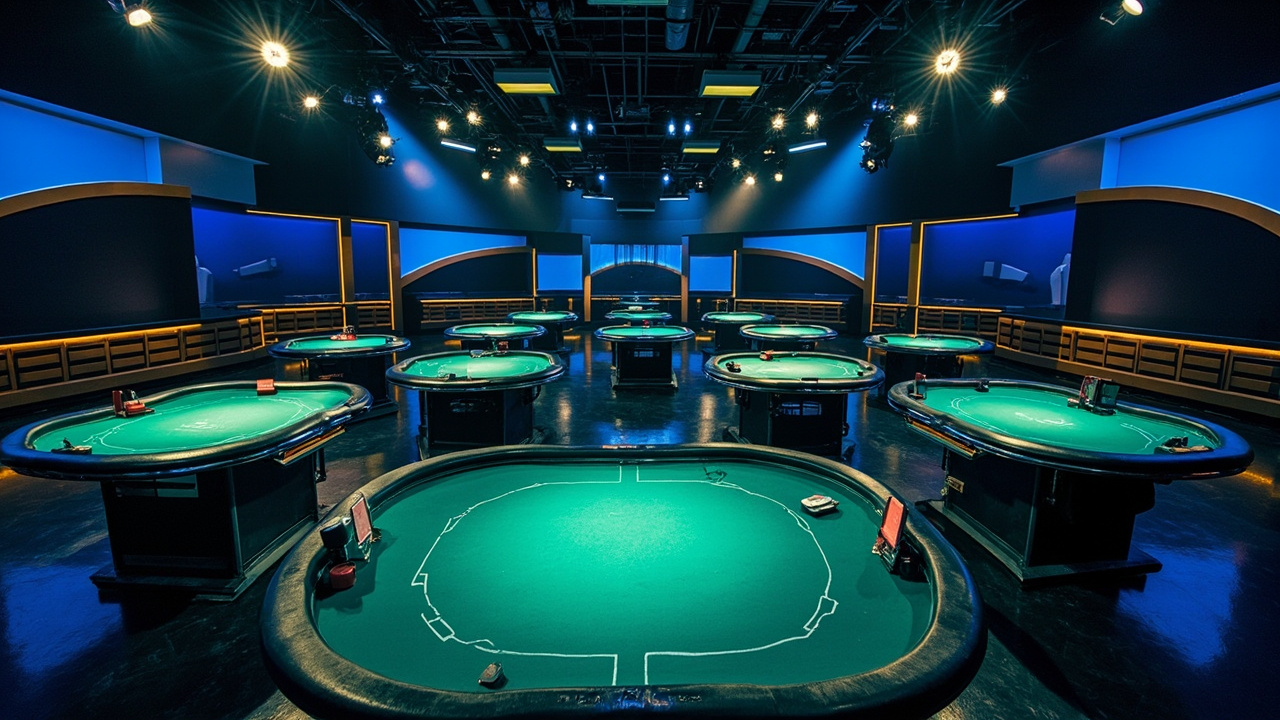
The game mix leans heavily on video slots, with a smaller ring of table titles and a modest live lobby tucked behind the main view. Providers are grouped by studio rather than buried under one long feed, which helps when you want to compare timing against notes on Perth gambling forums, where slow transfers get flagged fast. Search works on title and provider, and filtering by volatility or hit frequency is useful once you know what you are after. The trade-off is that discovery still asks for a bit of legwork; new arrivals sit in a separate row and can take a day to settle into the main browse. For a session simulation, that matters because you want to see how the lobby behaves when you are switching between short spins and longer table runs, not just when you are browsing on a quiet Sunday arvo.
Session pacing and bankroll reality
Running a session simulation is mostly about pacing, not chasing a big hit. The risk of ruin rises as bets grow relative to a player’s bankroll, so the lobby’s bet ranges need to match the money you are willing to lock up for an hour or two. Lower-stake slots sit near the front, while higher-volatility titles are a few clicks deeper, which is sensible if you want to warm up before you push the bet size. The live section runs on its own schedule, so a session that mixes pokies and a live table will need a separate watch on time and spend. That is the sort of detail a commercial partnership person notices when comparing studios across markets, because the lobby experience has to hold up across different player habits, not just one tidy use case.
Registration, payments and support basics
Registration is straightforward, with a licence check and identity verification that you cannot skip. Registering with BetStop blocks a person from all licensed Australian online wagering, so any account setup has to respect that block before a single spin is allowed. Payments run in AUD, with deposits hitting quickly and withdrawals following the standard verification queue rather than any instant promise. Support sits behind a ticket and live chat during busy hours, which is fine for session questions but less handy if you need a fast response on a payment hold. Mobile play mirrors the desktop lobby, so a session simulation on the train into Canberra works without the layout collapsing into a cramped feed.
How the session simulation fits what players actually need
A session simulation is useful because it lets you read the lobby before you commit, not because it predicts an outcome. You can check the game mix, see how the search behaves, and work out whether the bet ranges suit your bankroll without feeding the machine first. That is the practical value, and it is the bit most players miss when they just click the first shiny title. The limits are real too: a simulation cannot tell you what a long session will cost, and it certainly cannot promise a result. If you want to compare notes on session timing, you can win on level up pokies with a clear plan on bet size and stop point, but the simulation itself is only a planning tool, not a shortcut to a win.
The commercial side of this is straightforward. When we structure partnerships across studios and operators, the lobby and session flow have to work for a first-time player and a regular alike, because the same interface carries both. That is why the search, the provider grouping, and the bet range spread matter more than a fancy welcome screen. For beginners, the short version is simple: pick a low-stakes slot, set a time limit, and stop when the limit hits. Keep the bet small enough that a losing run does not clear the session, and treat any bonus terms as a separate read, not a reason to push the stake up. If you want a second opinion on how session pacing sits with responsible limits, the Responsible Gambling Council keeps a clear line on bankroll discipline, which is worth a look before you set your stop point.
Jack Hughes, Independent iGaming Expert, Harbour City Gaming Review, puts it plainly: “A session simulation is only useful if the lobby exposes bet ranges and volatility clearly; otherwise it is just a prettier way to guess.” Evie Hughes, Commercial Director, Eucalypt Digital Advisory, sees the same point from the operator side: “The lobby has to serve discovery and session control at the same time, because players who cannot find what they want will not stay long enough to test anything properly.” Both views line up with what you see on the floor: the catalog and the session controls carry the weight, and the rest is polish.

The verdict is that a pokies session simulation earns its place when the lobby is organised well enough to let you test bet sizes, game mix, and pacing without fuss. The conditions are clear, the limits are real, and the tool works best as a planning step rather than a promise of anything else.




