

The Real Fun Behind casino joy of playing
casino joy of playing Is About the Session, Not the Spin
Most Australians chasing a quick buzz on a Tuesday arvo forget that the best sessions are the ones you actually remember. casino joy of playing is less about stacking a welcome offer and more about how a room holds your attention once the free spins dry up. I’ve spent twenty-five years building gambling media and comparison products, including regulated Serbian markets where we had to prove ongoing value before a licence ever got stamped, and the pattern is the same everywhere: the rooms that keep people coming back are the ones that treat repeat play as a product, not an afterthought. If you’re logging in from Newcastle or anywhere else down the east coast, you want a place where the layout doesn’t fight you and the promos don’t vanish after week one. That’s the difference between a novelty and a habit you can actually walk away from. link for jeetcity casino login
What Makes casino joy of playing Stick Past the Welcome Offer
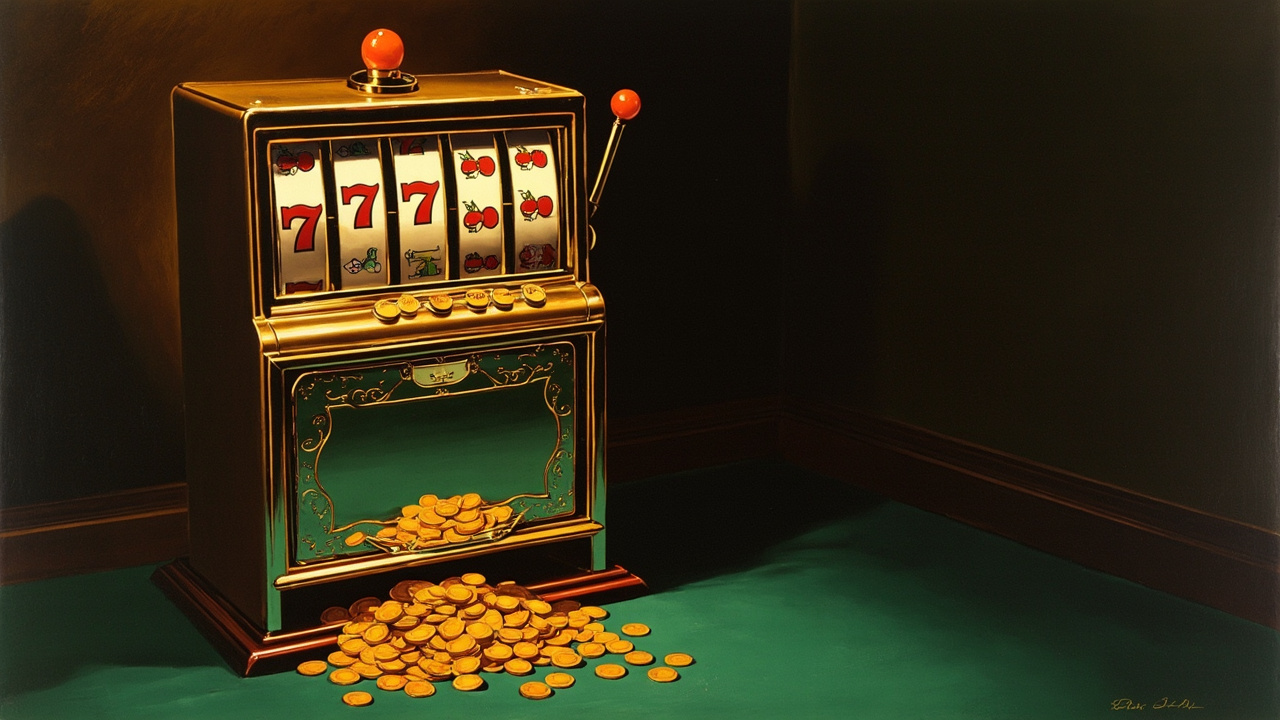
The first thing I look for is whether a room has anything to say after the deposit bonus clears. A lot of platforms front-load the welcome package and then go quiet, which is exactly the trap I learned to avoid when we were building comparison tools in Serbia – regulators there wanted evidence that recurring promos, cashback and loyalty tiers were real, not just a landing-page promise. casino joy of playing needs the same discipline, because a one-off bonus is just a ticket to the door. What actually keeps a session alive is a steady drip of reloads, a cashback window that doesn’t vanish on a Friday night, and a loyalty ladder that rewards you for turning up, not just for chasing a whale-tier threshold you’ll never hit.
Game selection matters, but not in the way most ads pitch it. You don’t need a library the size of a regional library archive; you need enough live tables, a few solid video slots from familiar providers, and a couple of tournament-ready titles that actually run on a sensible RTP. I’ve seen rooms in Melbourne backrooms that felt busier than they were because the floor was padded with low-edge novelty games, and the opposite in places where a tight 200-title lobby still felt empty because nothing held a player past the first hour. The sweet spot is a curated floor where the house edge is visible and the repeat-play reason is built into the product, not bolted on as a promo banner.
Mobile is where most of this gets decided these days. If the registration flow asks for your life story before you’ve even seen a lobby, you’ve already lost the room. A clean sign-up, a straightforward verification path, and a mobile layout that doesn’t collapse when you tap a table stake are the boring things that actually decide whether you come back on a slow arvo. Payments should be straightforward too – AUD where it makes sense, clear currency labels, and no mystery fees hiding behind a “conversion” line that only shows up after you’ve clicked withdraw. Support that answers in a useful timeframe matters more than a slick chat widget that loops you through three menus before a human shows up.
For beginners: how to read a room before you put money in
If you’re new to this, don’t start by chasing the loudest bonus on the homepage. Start by checking what happens after the welcome offer ends. Look for a reload or a cashback line that’s written in plain English, not buried under three terms and conditions pages. If the loyalty programme talks about tiers but doesn’t say what you actually get at the first rung, treat that as a warning sign. A good room will tell you what the points buy, what the cashback percentage covers, and whether tournaments are weekly or just a marketing stunt that runs once and disappears.
Next, test the mobile experience with a small session, not a big one. Register, pass the verification step, and see whether the lobby loads without making you pinch-zoom through a desktop layout that was never built for a phone. If the table stakes are clear and the game filters actually sort by provider or type instead of dumping everything into one endless scroll, you’ve got a room that respects your time. That’s the kind of place where casino joy of playing feels like a session you chose, not a slot machine that chose you.
Ongoing Value: the part that actually decides whether you return
This is where the comparison mindset I built in regulated Serbian markets earns its keep. We learned early that a welcome offer is a marketing cost, not a product feature, and that the rooms worth recommending were the ones with a recurring promo calendar you could actually map. casino joy of playing should work the same way: a cashback window that runs on a predictable cycle, loyalty points that accumulate without a mystery multiplier, and tournaments that give you a reason to log in even when you’re not chasing a big win. If a room can’t point to what happens in week two, it’s not a retention product – it’s a sign-up funnel.
I asked Evie Parker, Head of Live Casino, Pacific Wager Analytics, where she sees players misread the room, and she put it plainly: “The sessions that hold are the ones where the live table pace matches the player’s attention, not the ones where a bonus is doing all the heavy lifting.” That’s the kind of caveat worth keeping in your head when you’re comparing rooms. A live dealer game with a sensible pace and a visible table limit will keep you engaged longer than a promo that pays out once and leaves you staring at a lobby with nothing to do. Tournaments can help, but only if they run on a schedule and the entry rules don’t feel like a puzzle box.
Loyalty and VIP tiers are where a lot of rooms either earn trust or lose it. A useful programme tells you what the lower tiers actually buy – maybe a small cashback bump, a faster withdrawal lane, or access to a weekly tournament – instead of promising a black-card experience that only appears after you’ve spent a fortune. If the VIP path is real, it should feel like a reward for repeat play, not a velvet rope designed to keep you depositing. That’s the difference between a room you visit because it’s useful and one you visit because you’re chasing a promise that never quite lands.
Player fit: who this is actually for
If you’re the sort of player who wants a room that holds its shape after the welcome offer, casino joy of playing is worth a look when the recurring promos are written plainly and the loyalty ladder has a first rung you can actually reach. It suits someone who treats a session as a session – a couple of hours on a live table or a short slot run – and wants the room to respect that instead of nudging you toward a bigger deposit every five minutes. It’s less suited to anyone chasing a one-off windfall and then vanishing, because the rooms that do this well are built around repeat play, not a single lucky spin.
The practical test is simple: can you see what happens in week two without clicking through a maze of terms? If the cashback window, reload schedule and loyalty rewards are visible up front, you’ve got a room that’s thinking about ongoing value. If they’re not, you’ve got a marketing page wearing a casino’s clothes. That’s the judgement call I’ve made across two exits and a few gaming investments, and it still holds: the rooms worth your time are the ones that keep their promises after the first deposit.
For anyone comparing options, it helps to line up the recurring promos against notes on neighbourhood business builders that actually track what survives past the launch window, because the same discipline applies to a casino floor as it does to a small operation trying to keep customers coming back. The same goes for checking whether a room’s support and payment clarity hold up under pressure, which is the kind of detail you’d want flagged fast on a defence magazine Australia style watchlist – not because a casino is a defence issue, but because clear, verifiable information is what separates a usable room from a vague one.
The short verdict: casino joy of playing is worth your attention when the room’s ongoing value is visible, the loyalty tier has a reachable first rung, and the mobile experience doesn’t make you work for it. If those pieces line up, you’ve got a place that can hold a session without leaning on a welcome offer to do all the work. If they don’t, you’re better off looking elsewhere and saving the deposit for a room that treats repeat play as the product, not the pitch.




